Lululemon

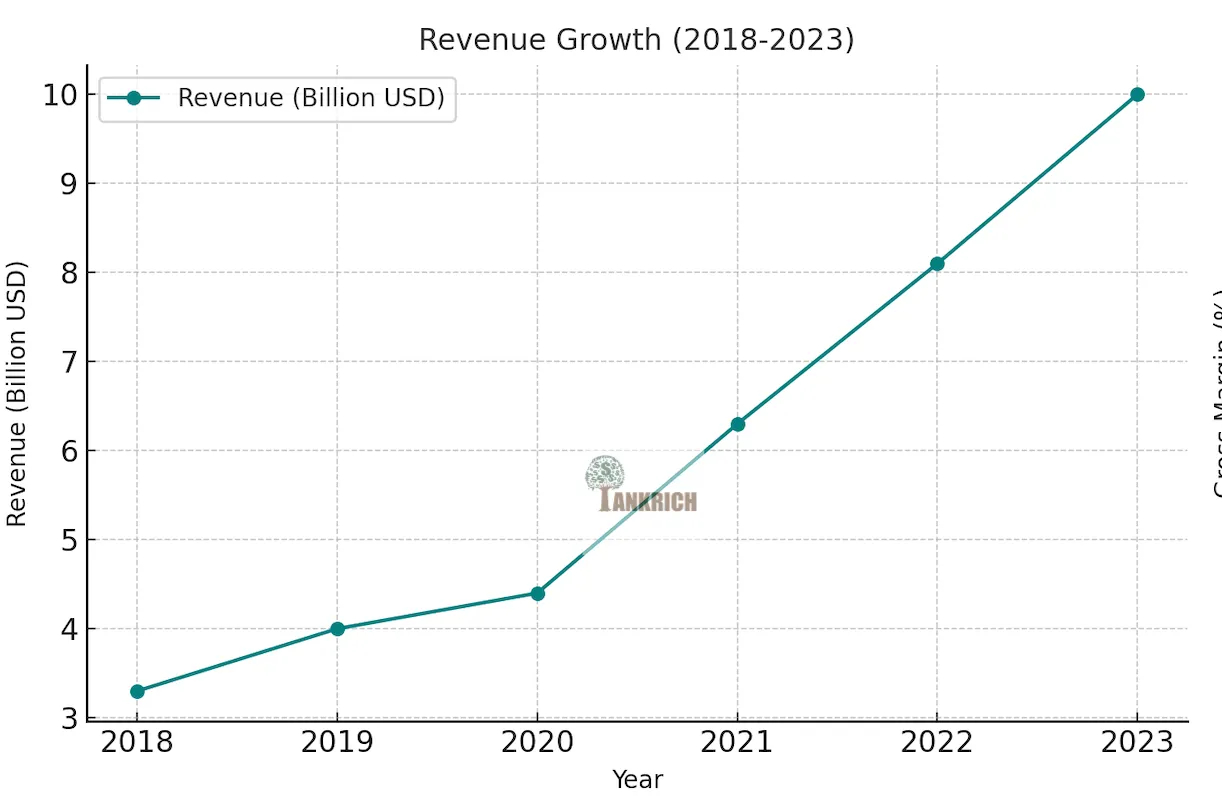
Lululemon was founded in 1998 by Chip Wilson in Vancouver, Canada. Originally a yoga-focused apparel brand for women, it expanded to a global business with over $10 billion in annual revenue by 2023. Wilson’s innovative focus on community-based branding and premium product design laid the foundation for its success. Leadership transitioned from Wilson to professional management, including Calvin McDonald, who became CEO in 2018 and continues to lead Lululemon’s global expansion
Even with its recently blip in sales the growth in revenues looks like a hockey stick when looked on long term chart
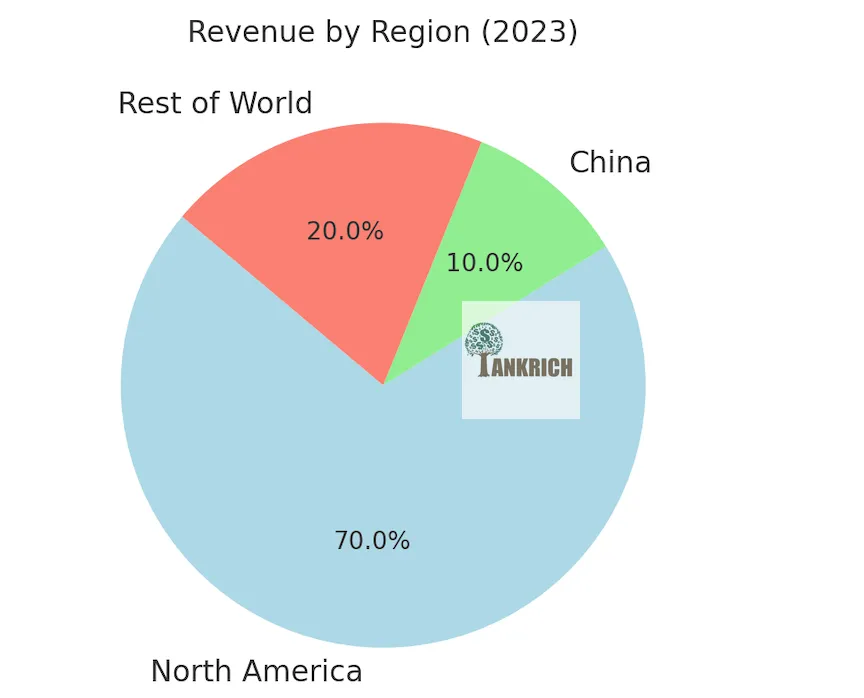
Lululemon operates a vertically integrated model, designing and selling its products primarily through its own retail stores (655 stores by 2022) and e-commerce. These channels account for 90% of revenue. Its wholesale channel remains minimal. Lululemon is targeting men’s products and international markets for further growth
Even though its an everyday/sports wear company the reason for my interest in this business was superb gross margins just like all great operators
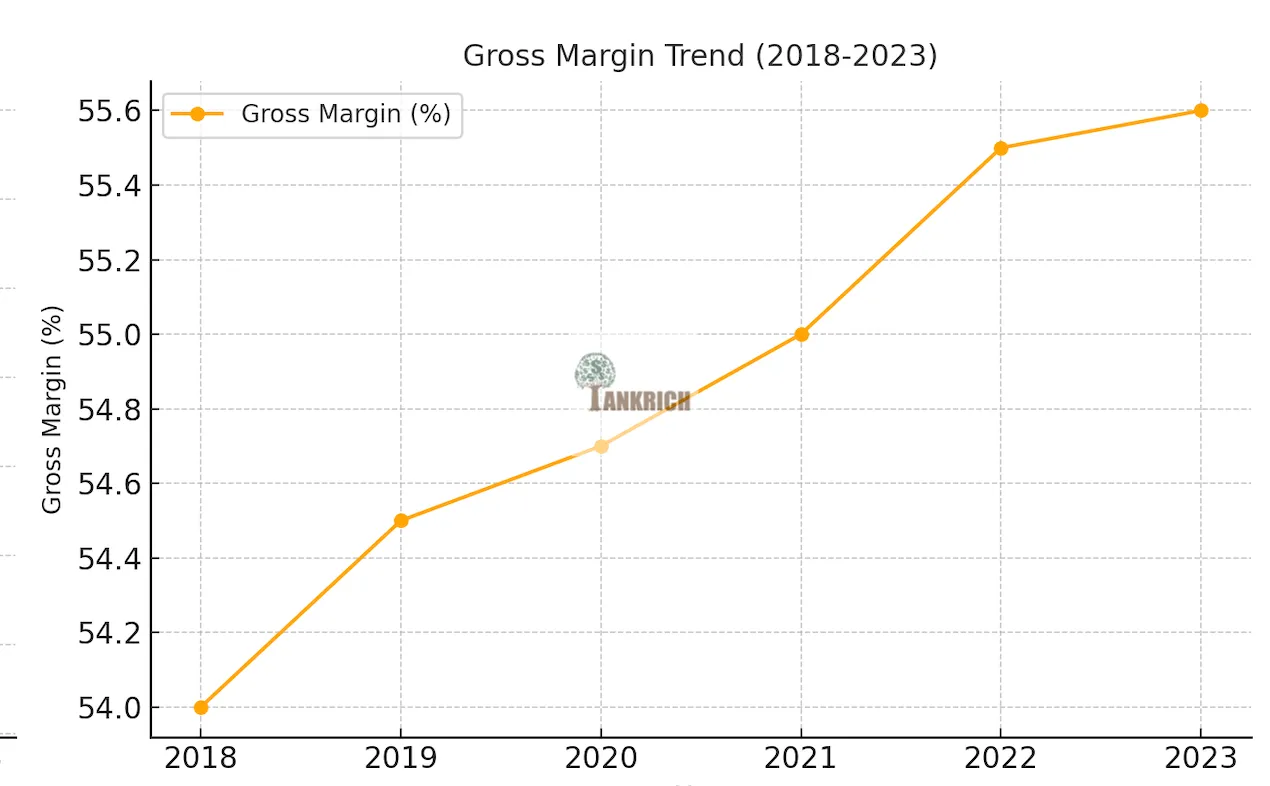
Lululemon’s direct-to-consumer model ensures high cash flow. Its online sales saw a significant increase during the pandemic, contributing to a post-pandemic gross margin of 60% for e-commerce
How has the business differentiated itself?
Competitors include Nike, Adidas, Under Armour, and Athleta. Unlike its rivals, Lululemon focuses on community-driven branding and niche markets like yoga.Lululemon’s moat lies in its brand loyalty, community-driven marketing, and technical product innovation. Its premium pricing and customer experience reinforce its competitive edge
Lululemon does not rely on traditional celebrity endorsements like Nike or Adidas, which often feature marquee athletes. Instead, Lululemon has adopted a community-based branding strategy, leveraging partnerships with local fitness instructors, yoga teachers, and community leaders as brand ambassadors. These individuals represent the brand in their local communities, fostering authenticity and grassroots engagement.
This approach aligns with Lululemon’s focus on building a loyal and engaged customer base rather than using mass-market celebrity appeal. This strategy has been a key differentiator, helping the brand maintain its premium positioning and strong community ties.
What is the addressable market opportunity and its key drivers?
Lululemon estimates the global athleisure market at $115 billion, with significant growth potential in men’s apparel and international markets, particularly in China. The company already generates 10% of its revenue from China and is expecting future growth here
Lululemon’s Power of Three ×2 is an ambitious five-year growth strategy announced in April 2022, aiming to double the company’s 2021 revenue of $6.25 billion to $12.5 billion by 2026.
This plan builds upon the success of the original “Power of Three” strategy introduced in 2019, which focused on product innovation, guest experience, and market expansion.
The Power of Three ×2 strategy emphasizes three key growth drivers:
-
Product Innovation:
-
Men’s Business: Lululemon aims to double its men’s revenue by 2026, building on the momentum of achieving its previous men’s growth target two years ahead of schedule.
-
Women’s and Accessories: Continued expansion in women’s apparel and accessories is planned, with a focus on both existing and new product categories, including lines supporting yoga, running, and training.
-
New Categories: The company plans to explore new opportunities, such as self-care products, and expand its popular Office/Travel/Commute category.
-
-
Guest Experience:
-
Digital Expansion: Following a tripling of digital revenue between 2018 and 2021, Lululemon projects to double its digital revenues by 2026.
-
Omni-Channel Integration: The company focuses on offering an integrated guest experience across channels, including dynamic new store formats and innovative membership programs that foster connections among guests.
-
Community Engagement: Initiatives like the expansion of “Lululemon Like New,” the brand’s first trade-in and resale program, and the launch of a new two-tiered membership program aim to build stronger engagement with its brand and community.
-
-
Market Expansion:
-
International Growth: Lululemon plans to quadruple its international revenues by 2026, focusing on expanding across China, as well as the APAC and EMEA regions.
-
New Markets: The company intends to open its first stores in Spain and Italy, aiming to introduce the brand to more communities around the world.
-
Financially, the strategy targets a total net revenue compound annual growth rate (CAGR) of 15% between 2021 and 2026, with modest operating expansion annually and earnings per share (EPS) growth expected to outpace revenue growth.
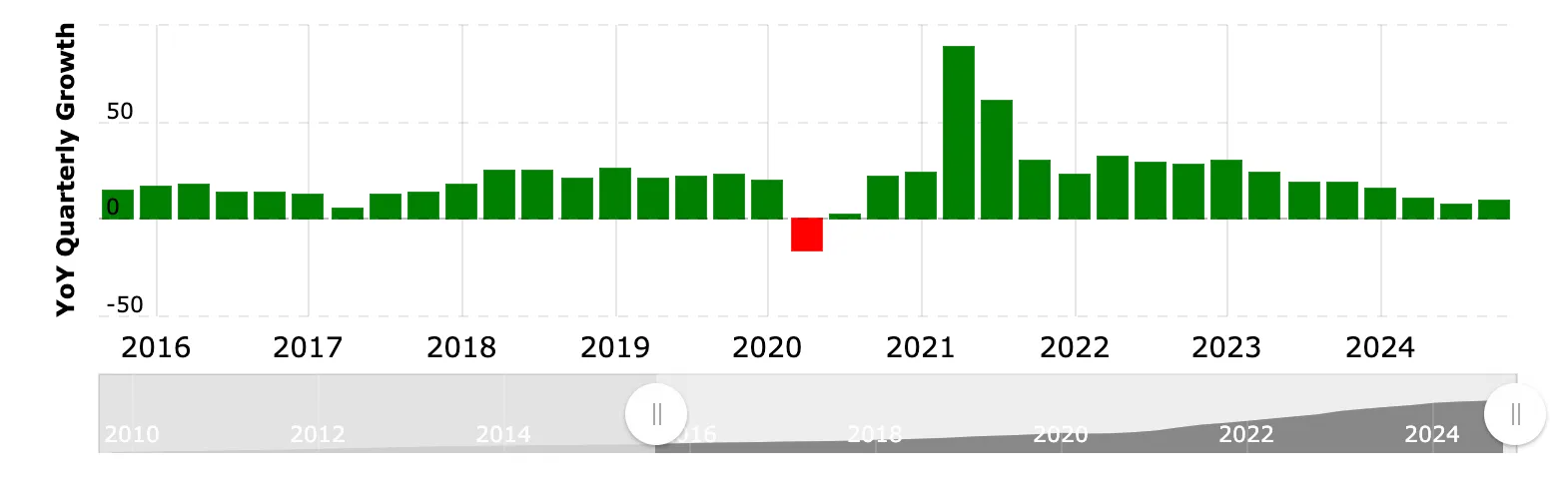
if we track quarterly the strategy seems to be paying off with eps growing in last 4 quarters and growth returning
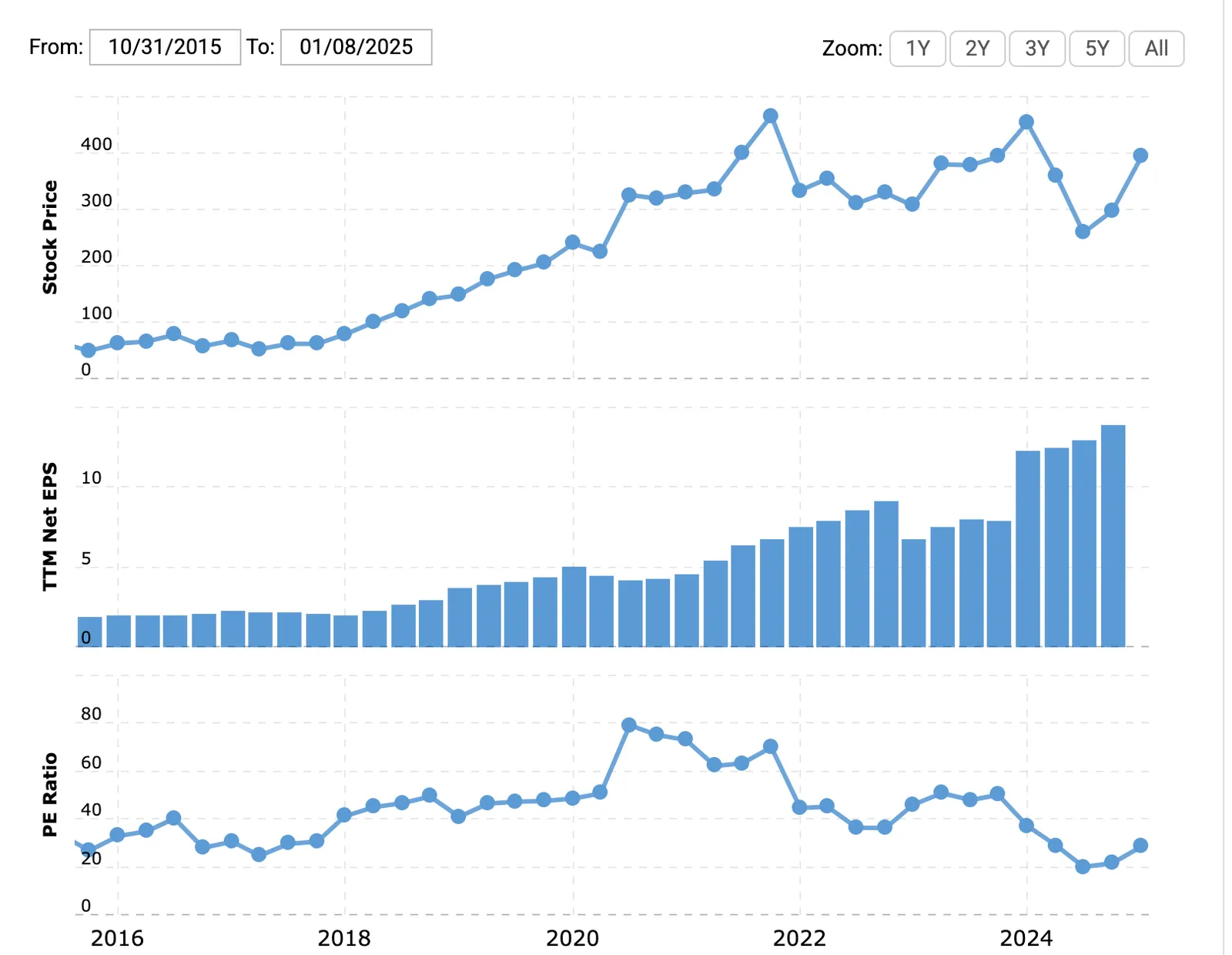
quarterly growth is also stable
Bullish points
-
Strong Revenue and Earnings Growth:
-
Lululemon’s revenue has grown at a compound annual growth rate (CAGR) of ~20% over the last five years, reaching $10 billion in 2023.
-
The company targets $12.5 billion in revenue by 2026 under its “Power of Three ×2” strategy, implying a continued robust growth trajectory.
-
-
Expansion into New Markets and Categories:
-
Men’s apparel and international markets (especially China) offer significant untapped potential.
-
The company plans to quadruple international revenue and double men’s revenue by 2026.
-
Recent innovations, such as expanding into footwear and self-care, diversify its product base.
-
-
Premium Brand and Loyal Customer Base:
- Lululemon enjoys strong brand loyalty, high margins (55% gross margin), and a unique position in the athleisure market, differentiating it from competitors like Nike and Adidas.
-
Strong Financial Health:
- The company has a debt-free balance sheet (excluding leases) and generates significant free cash flow, enabling continued investment in growth and shareholder returns.
-
Valuation Relative to Growth:
-
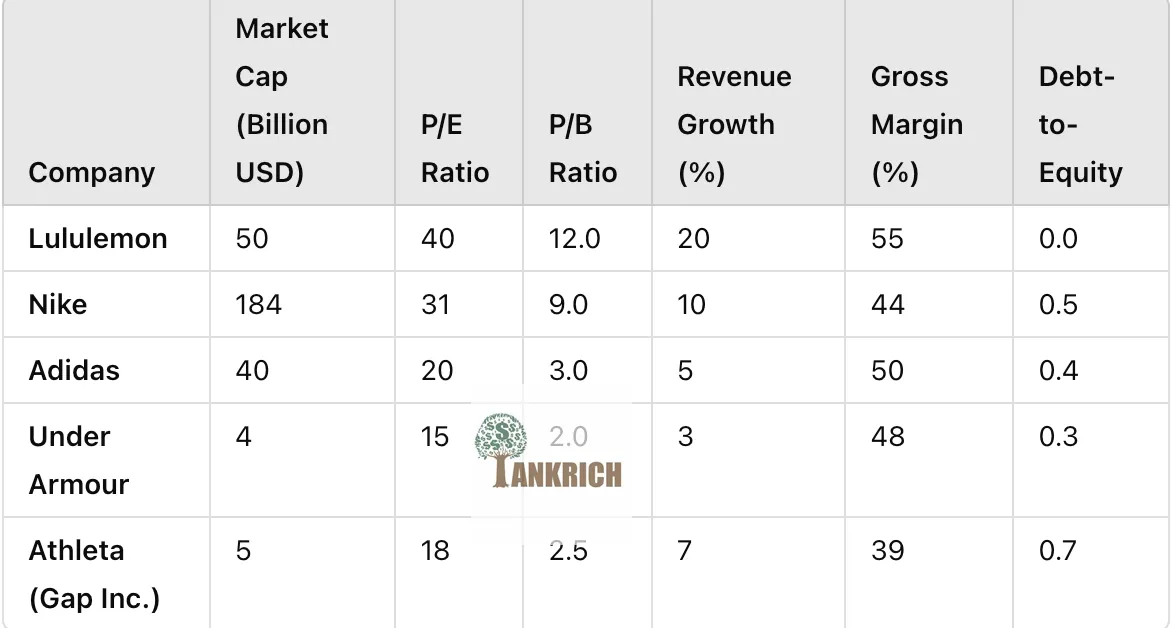
While trading at a premium P/E of ~40, Lululemon’s high growth rate and profitability justify this valuation compared to slower-growing peers like Nike.
-
A strong pipeline of initiatives makes it attractive for long-term investors.
-
Risk to be aware of
-
Higher Valuation then peers:
-
Lululemon’s P/E and P/B ratios are significantly higher than industry averages. Any slowdown in growth could lead to a sharp re-rating.
-
Is stock price is priced for perfection, leaving little room for error?
-
-
Economic Sensitivity:
-
As a premium brand, Lululemon is exposed to macroeconomic risks like consumer spending slowdowns during recessions, which could pressure revenue growth.
-
Rising inflation or interest rates may also weigh on discretionary spending.
-
-
Intensifying Competition:
-
Competitors like Nike, Adidas, Athleta, and newer brands like Vuori are increasingly encroaching on Lululemon’s market share, particularly in the men’s and international segments.
-
The company’s reliance on high pricing leaves it vulnerable to price-sensitive consumers.
-
-
Execution Risks in Growth Strategy:
-
International expansion, particularly in China, carries geopolitical and operational risks.
-
New categories like footwear require significant investment and may not achieve desired margins or scale.
-
-
Recent Mirror Acquisition Misstep:
-
The $500 million write-off of the Mirror acquisition highlights potential misjudgments in capital allocation.
-
Investors may question management’s ability to avoid similar mistakes.
-
Just like Tesla, keep this business on radar, I may or may not have portions in this stock please treat this post as education and not recommendation.
I end my posts something from gallery

This is a record of the author's thinking in January 2025, kept as written. It is not a recommendation to buy or sell, and the author may hold the securities discussed. See the disclosures.